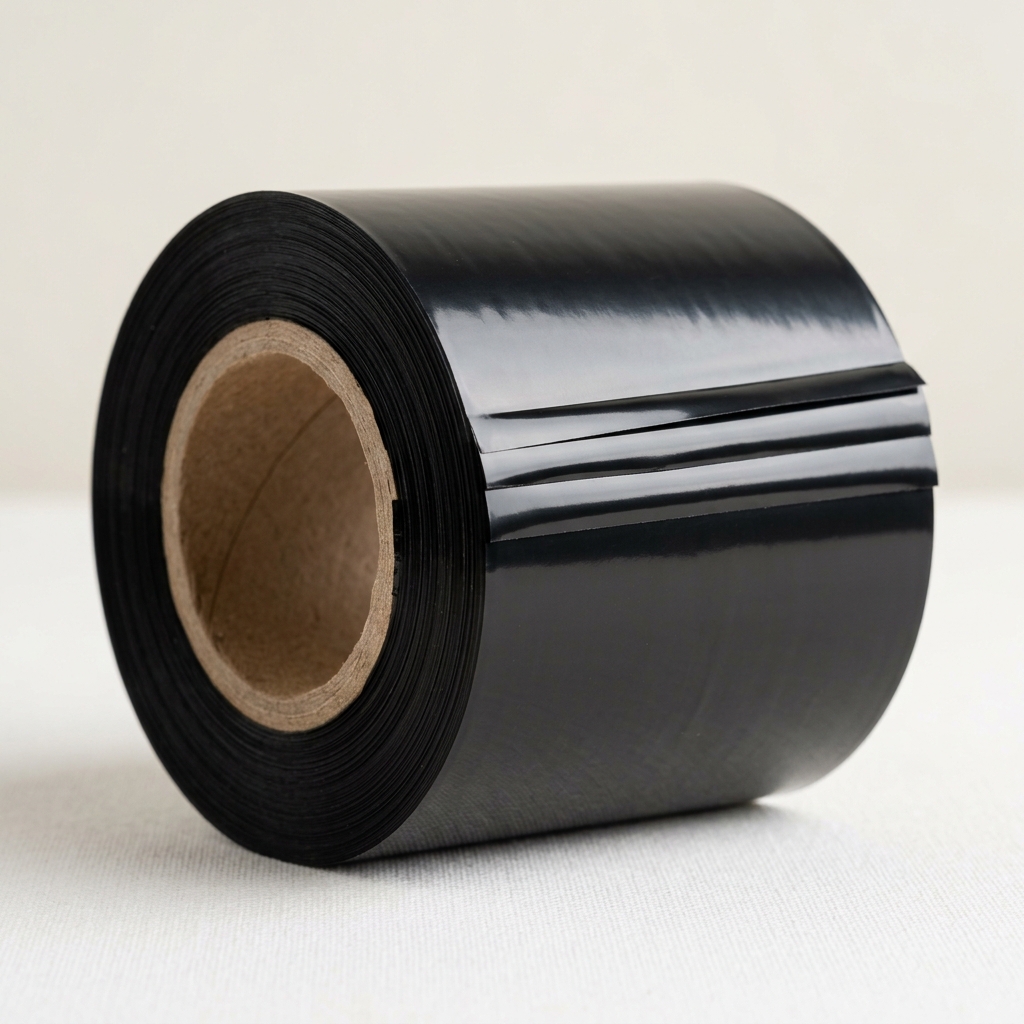
Ribbon compatibility depends on the complete system: printer, printhead, label face-stock, surface treatment, adhesive construction, and the conditions the finished label will encounter. A family name alone cannot guarantee adhesion or durability.
Starting Matrix
| Label face-stock | Ribbon family to evaluate first | Validation focus |
|---|---|---|
| Uncoated or coated paper | Wax | Barcode contrast, handling rub, edge definition |
| Coated paper or compatible synthetic paper | Wax-resin | Adhesion, smudge, moisture exposure |
| Compatible synthetic film | Resin | Adhesion and the required contact or environmental tests |
| Satin, TPU, or nylon care labels | Wash-care resin | Material-specific wash and handling protocol |
| Flexible packaging on near-edge systems | Near-edge | Printer architecture, release behavior, code quality |
Qualification Workflow
- Obtain the exact label supplier and face-stock reference rather than relying only on a material acronym.
- Confirm printer model, printhead type, ribbon wind direction, width, length, and core.
- Print a representative barcode and text pattern using conservative settings.
- Adjust one printer setting at a time and record the result.
- Test the printed label against the actual rub, moisture, chemical-contact, and storage conditions required by the application.
Approve the combination only after the printed sample meets the buyer’s documented acceptance criteria. Requalify when the label construction, printer, or ribbon grade changes.